
There's this thing that happens about twice a month where someone walks into the shop holding a hoodie they bought online, and they want to know if it's "legit." And every time, it's the same thing — some oversized blank with a screen-printed Goku on the front, a brand name they've never heard of on the tag, and a $90 price point that went straight into somebody's marketing budget.
So no. Usually not legit. But I get why people keep falling for it, because the space between a great anime collab and a lazy one is genuinely hard to read if you're not paying attention. And most people aren't paying attention. They just see a character they love on a piece of clothing and reach for their wallet. Which — fair. I've been there. I own a Sailor Moon tee I bought at 15 that I should probably be embarrassed about. I'm not, but I should be.
The difference matters though. A good anime streetwear collaboration makes you look at both the brand and the source material differently. A bad one makes you look at the anime and forget the brand was even involved. I see both constantly, and I have opinions about all of them.
The Ones Worth Your Money
BAPE — because they were never tourists here.
BAPE gets talked about first in every one of these lists and for once the consensus is right. They weren't chasing a trend. They're a Japanese brand with a Japanese audience, and anime was already part of the visual vocabulary before anyone framed it as a "crossover." That matters more than people think.
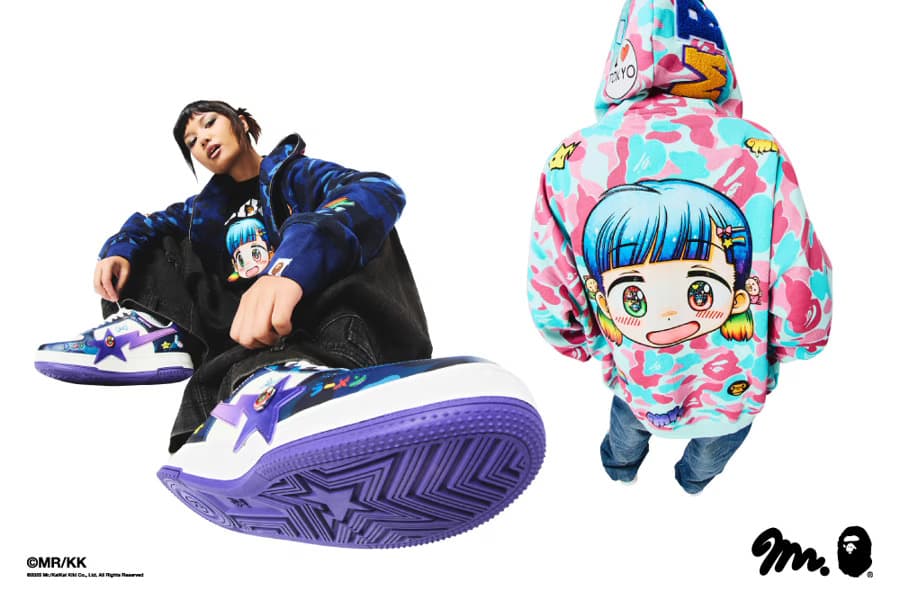
Their most recent proof is the Mr. × BAPE collection that dropped in December — a collab with Mr., the artist from Takashi Murakami's Kaikai Kiki studio whose entire practice is built on anime, otaku culture, and youth subculture. The capsule reworked BAPE staples — the Shark Hoodie, the BAPE STA, the graphic tees — through his hyper-colorful lens. The standout piece is the hoodie: zip it all the way up and the signature shark face is replaced with a blushing anime character. It debuted at Art Basel Miami, which tells you something about where BAPE sees itself sitting now — not just streetwear, not just anime, but the space where those things meet contemporary art.
And this isn't new for them. They've been doing this for over a decade — three separate One Piece collections starting in 2012, Dragon Ball Z, Pokémon, Gundam. The One Piece work is still the clearest example of how to do it right. Zoro in a BAPE durag. The Straw Hat flag remixed into camo. Two design systems genuinely talking to each other. Baby Milo next to Goku isn't random — it's BAPE saying these characters belong in our world. Most brands do the reverse. They borrow the anime's world and offer nothing back.
Loewe × Studio Ghibli — the one I can't stop thinking about.
I know, I know. Luxury house, luxury prices, most people can't touch it. But the design philosophy is what I keep coming back to.
Jonathan Anderson didn't license Ghibli art and put it on leather goods. He built three entire collections — Spirited Away, Totoro, Howl's Moving Castle — treating Miyazaki's work with the same respect you'd give any artist collaboration. The Howl's collection had a bag literally constructed from offcut leather to recreate the castle. Crystal inlays. Hundreds of hours of embroidery. Calcifer as a leather marquetry piece.
That's not merch. That's a creative director saying this source material deserves our best work.
And honestly? It's the standard everyone in this space should be held to, even if they're not working at Loewe's price point. The principle scales down. Treat the property like it matters, and the audience will notice.
adidas × Dragon Ball Z — restraint as a flex.
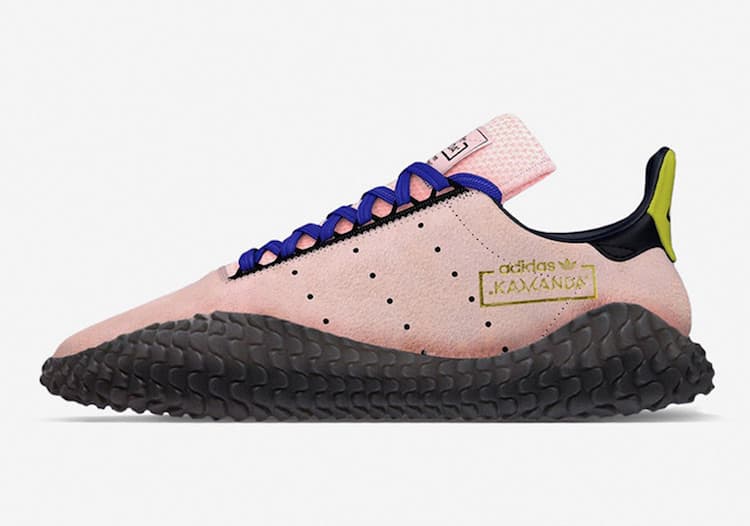
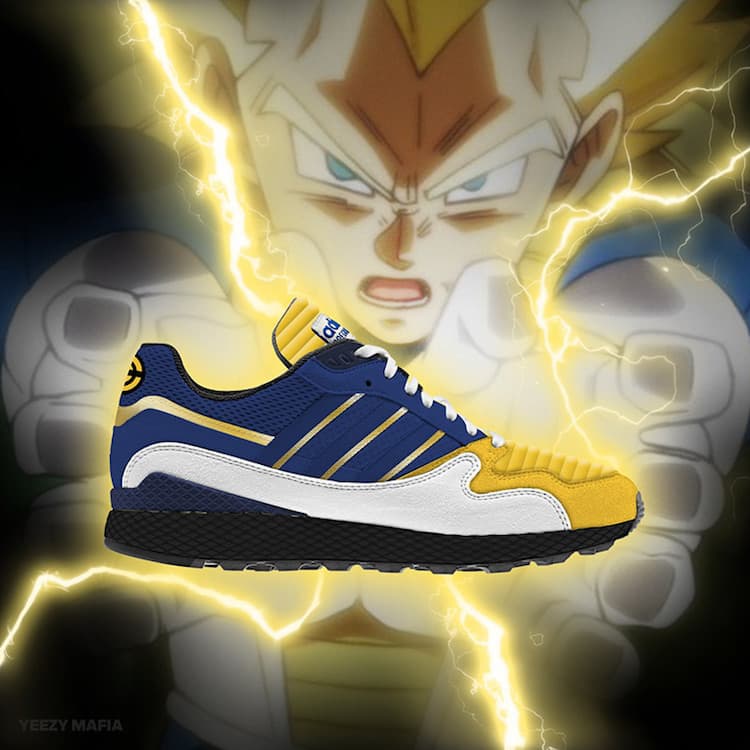
Most sneaker collabs pick one silhouette and run character colorways. adidas did something smarter — they matched each shoe to a specific character based on personality. The silhouette was the reference. You had to know both worlds to fully get it, but you didn't have to know either world to think the shoe looked good.
That's the sweet spot that basically everyone should be aiming for and almost nobody hits.
The Recent Ones I've Been Watching
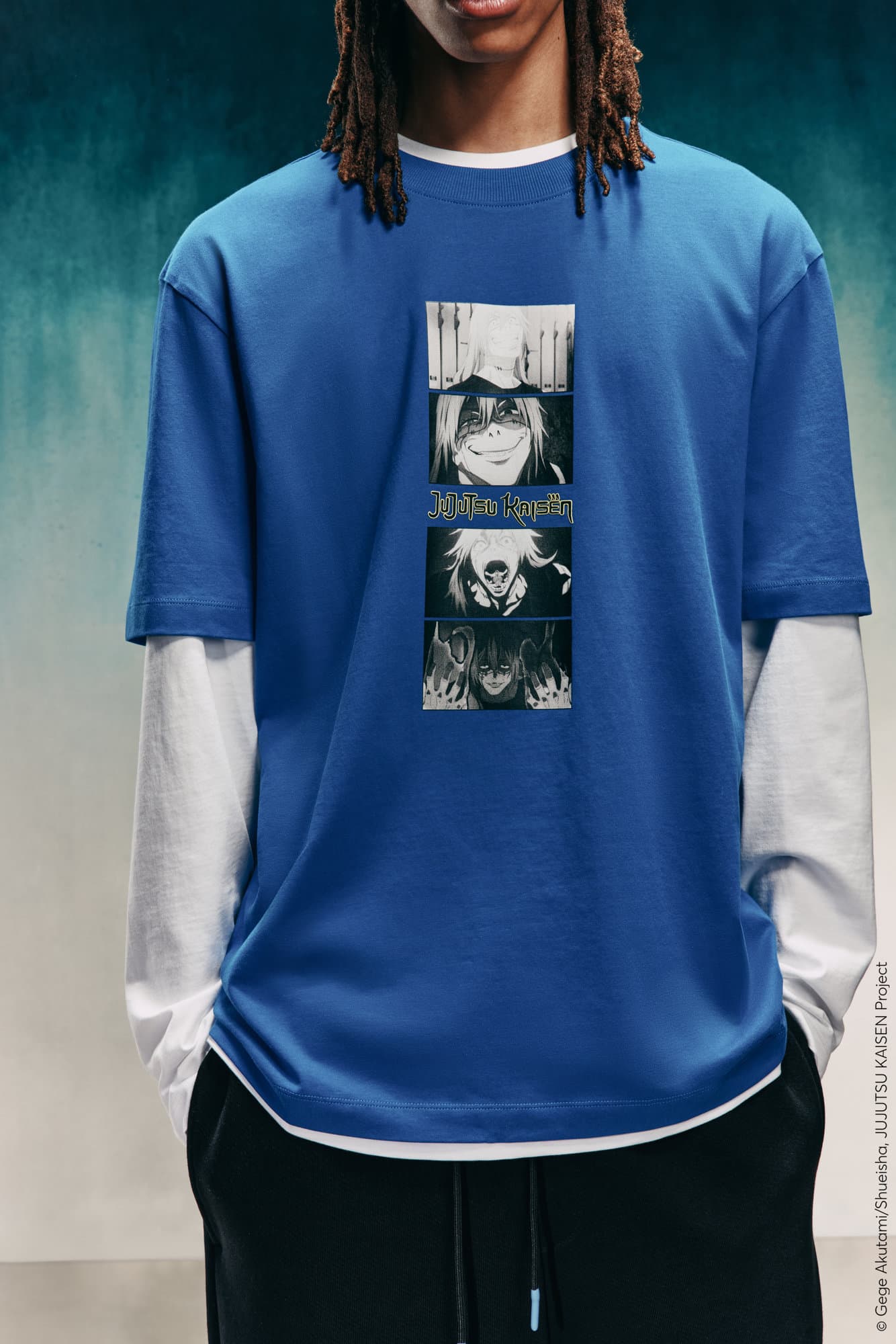
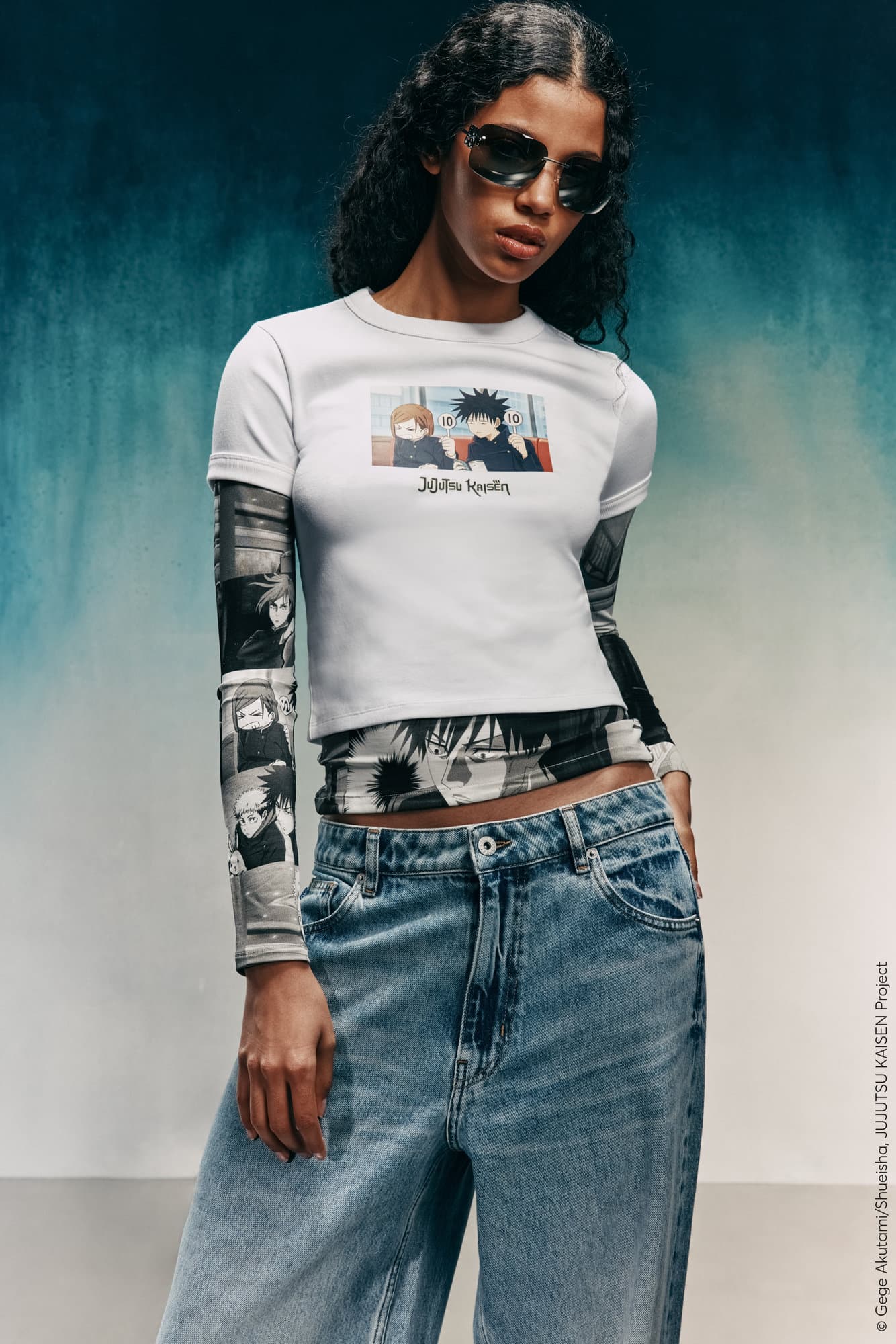
HUGO × Jujutsu Kaisen
Not going to lie, I rolled my eyes when this one got announced. Hugo Boss and anime is a sentence I didn't think I'd take seriously. But the capsule — done through Crunchyroll late last year — actually worked. The reversible bomber. The bowling shirt with the character portraits. It helped that JJK's visual language skews darker and more graphic than most shonen — it translates to actual clothing better than bright primary-color energy that makes half of anime collabs look like kids' merch on a retail rack.
Smart property choice, decent execution. I'd wear the bomber. I wouldn't tell anyone where I got it, but I'd wear it.
Hypland
Hypland doesn't get the press that luxury collabs do, which is a shame because they're one of the most consistently thoughtful brands in the space. Licensed work with Naruto, Hunter x Hunter, Bleach, Inuyasha — and the important thing is they build collections around specific arcs and moments, not just key art. The designs feel like they came from people who actually care about the source material, because they did.
If you want to wear anime-influenced streetwear on a normal day — not at a convention, not as an ironic statement — Hypland is probably the most reliable option out there right now.
The Pattern That Needs to Stop
I'm not naming names because it's not really about individual brands. It's a formula, and it's everywhere.
It goes like this: brand that has never once referenced anime in its entire history announces a collaboration with whatever show is trending. The collection is a capsule of basics — tees, hoodies, maybe a hat — with character art printed on the front. No integration of the anime's design language into the brand's identity. No original artwork. Just licensing and blanks.
I coordinate drops for a living. I know what it costs to do this well and what it costs to phone it in. The phoned-in version costs about a quarter as much and sells about the same in the first week because the anime's fanbase does all the heavy lifting. But those pieces end up in the back of a closet inside a month, and the brand earns zero long-term loyalty from an audience that would've been ride-or-die if someone had just tried.
That's what kills me about it. Anime fans are some of the most loyal consumers in fashion. They will go to war for a brand that earns their trust. And most brands can't be bothered to earn it because the short-term licensing math works either way.
What Separates the Good Ones
Three things. Every time.
Specificity. The best collabs reference specific characters, specific arcs, specific moments — not just a franchise logo. When BAPE put Zoro in a durag, that was specific. When adidas matched silhouettes to individual Dragon Ball characters, that was specific. Specificity tells the audience someone in the room actually cared. It's the difference between "we licensed this IP" and "we love this show."
Design integration. The anime's visual identity and the brand's design language should meet somewhere real. If you strip the character art off and the piece has no identity, the brand didn't do its job. If you can't tell what property it references without reading the tag, the collab didn't do its job. The best pieces work from both directions.
Respect. Hardest to define, easiest to feel. Anime audiences are particular and they notice everything. They can tell when a collaboration was designed by someone who understands the material versus someone who Googled the character names last Tuesday. Loewe treated Ghibli like fine art. Hypland designs like fans. Both work because both are genuine. The version that doesn't work is the one where nobody in the room has seen the show.
Where This Is Going
Anime isn't a trend in streetwear. It's infrastructure. The kids who grew up on Naruto and Dragon Ball are the ones buying clothes now, and they never saw anime and fashion as separate things in the first place.
What I want to see — and what I think is slowly starting to happen — is brands building real ongoing relationships with studios and properties instead of one-off seasonal drops. Loewe and Ghibli worked because it was a trilogy. Three collections, each one building on the last. That kind of commitment produces better design than any single capsule ever could.
And honestly? I'd love to see more Japanese streetwear brands in this conversation beyond BAPE. There's a whole ecosystem in Tokyo and Osaka that's been weaving anime sensibility into their DNA since before Western brands figured out it was profitable. That's a whole other piece.
For now — spend your money on the ones where someone in the room actually watched the show. You can always tell.